Connected in Cuba: Searching for Wi-Fi in a City Preserved in Time
I set foot on Cuban soil for the first time.
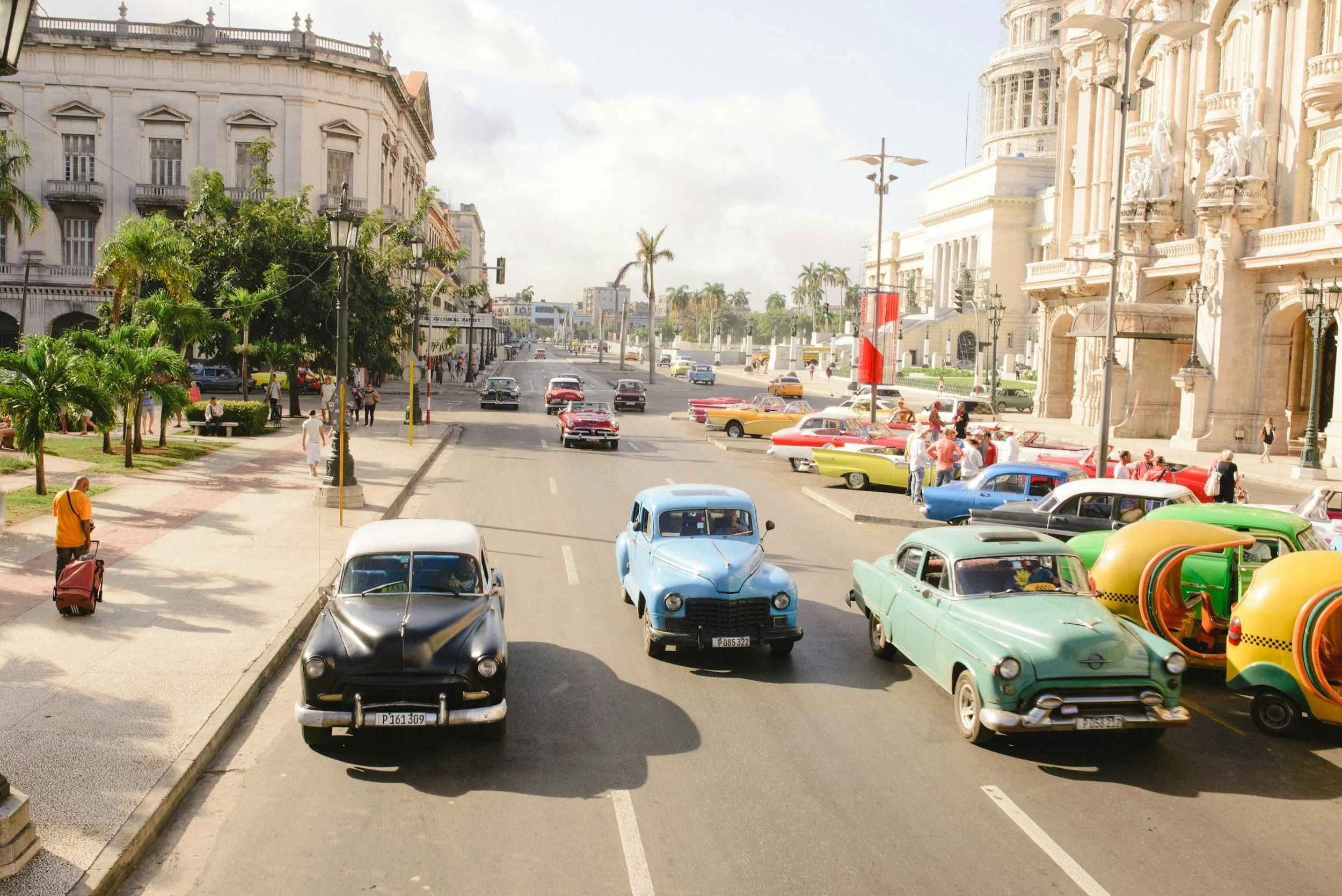
The air was thick and spiced like a simmering Caribbean stew.
A summer storm had held me captive on the tarmac for 30 minutes, a reminder
of the region’s unpredictable skies. My 10-year anniversary trip was
beginning, but before I could check off bucket-list moments—riding in perfectly preserved
Cadillacs, drinking my weight in the island’s rum—I needed a connection.

An internet connection.
In Cuba, checking in with my children became an
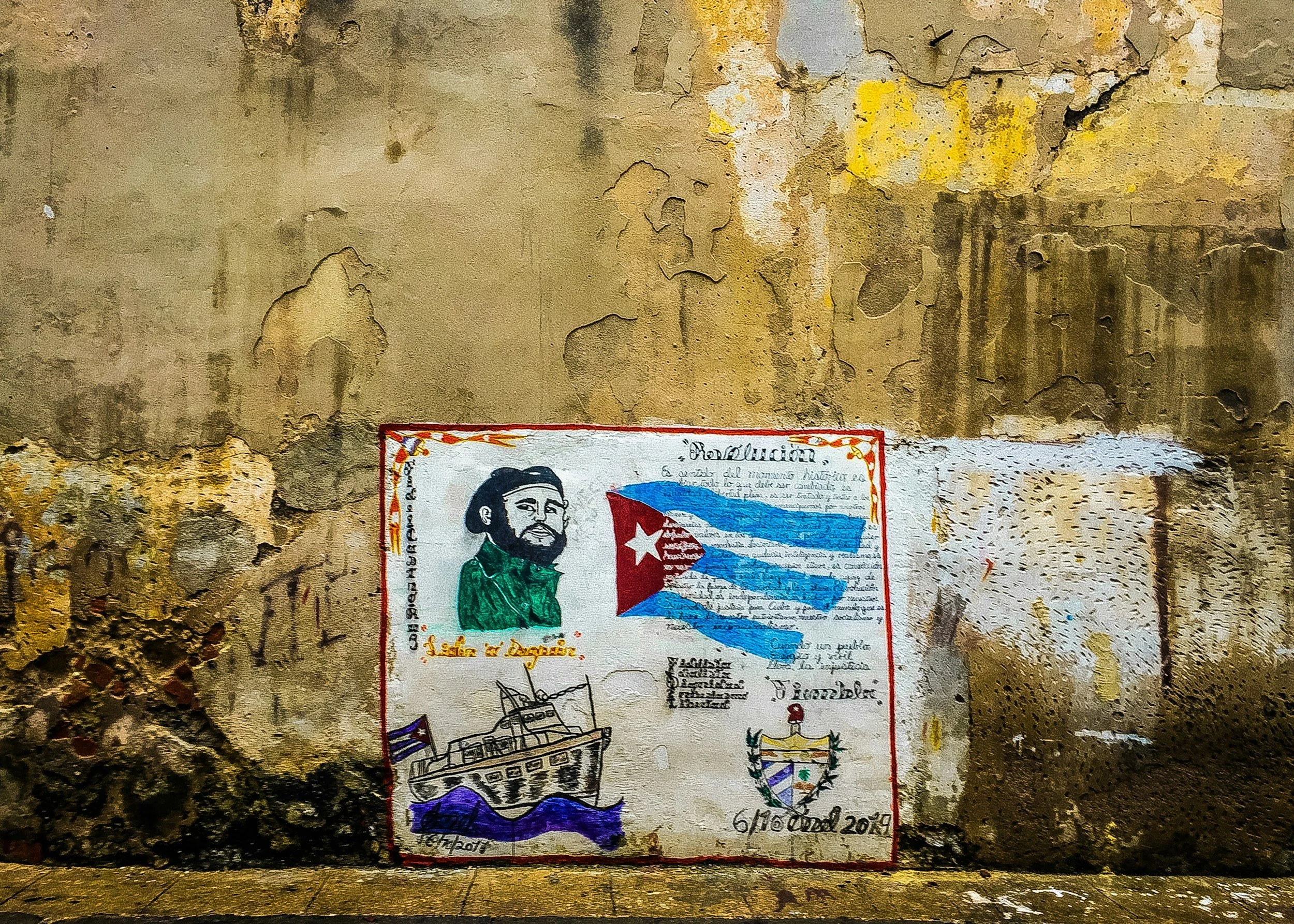
unexpected challenge. In the shadow of revolutionary murals digital
access remains a luxury. In an era where connectivity is as essential as running
water, millions here still struggle for what human rights organizations worldwide have declared a fundamental right:
the internet.
Public Wi-Fi arrived in Cuba in 2015 when the state-run telecom company ETECSA introduced
35 hotspots, including five in Havana. Parks and plazas became digital lifelines.
By 2017, access had expanded to nearly 300 locations, with 41 in the capital, where locals and tourists
alike huddled under flickering streetlights to reach the online world. But
connectivity came at a steep price—one-hour Wi-Fi cards initially cost $2, nearly 10% of the
average monthly salary, making the internet a privilege. Even after the price dropped to $1.50
an hour in 2016, for many, logging on still meant sacrificing a meal.
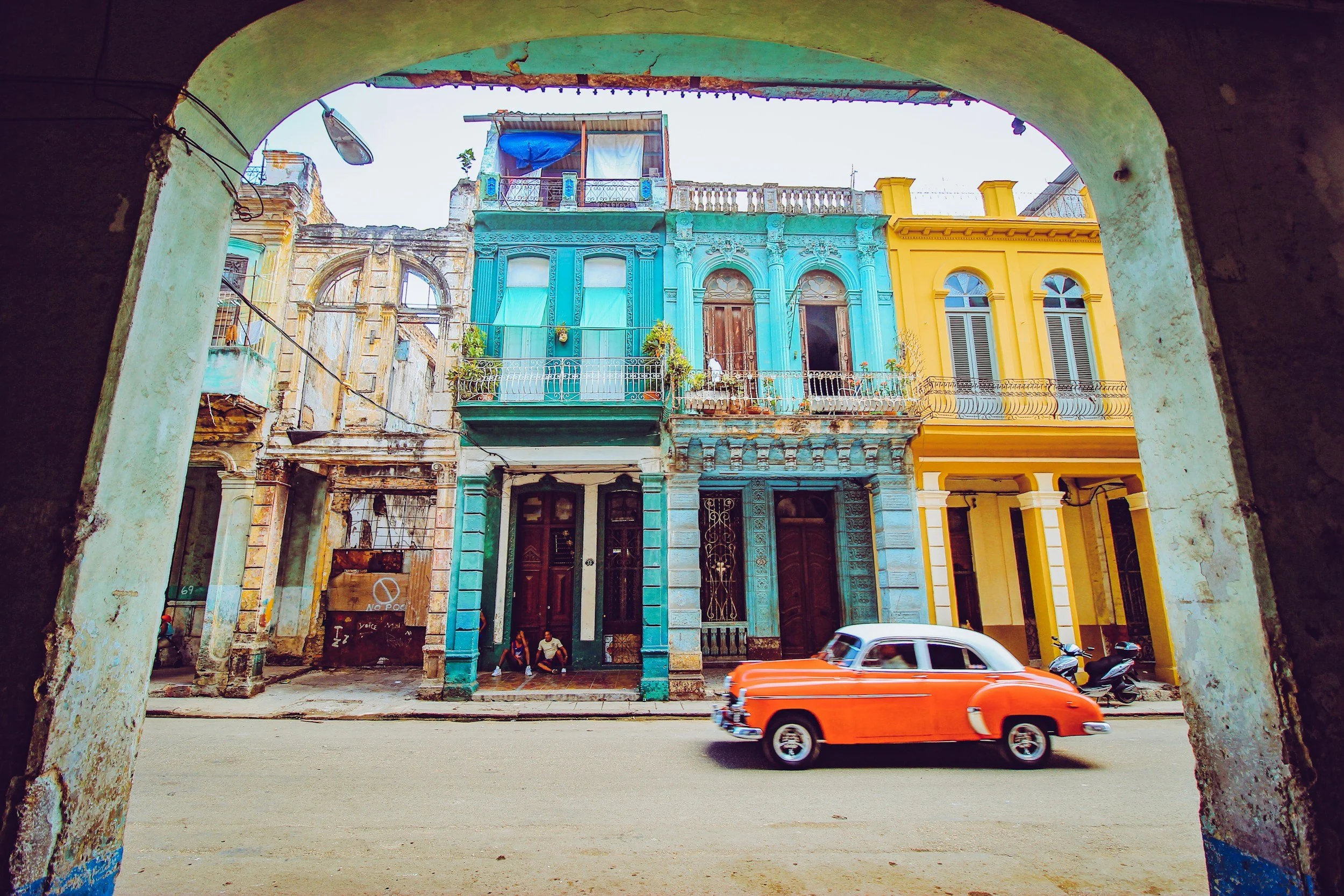
Cuba is preserved like a jar of jelly left boiling too long—cracked, seeping, and stuck in time.
The shattered glass is the peeling paint on old buildings, where rain and revolution have seeped
in, leaving behind a residue that clings like history itself. An American might see charm in the
chippy facades, but for Cubans, the cracks tell a different story.
I followed a storied stone path to the Wi-Fi park, rounding a corner to what felt like an
oasis in the desert. Towering royal palms created a canopy, shielding visitors from the relentless
sun. Nearby, kids kicked around a soccer ball, pausing to glance at me.
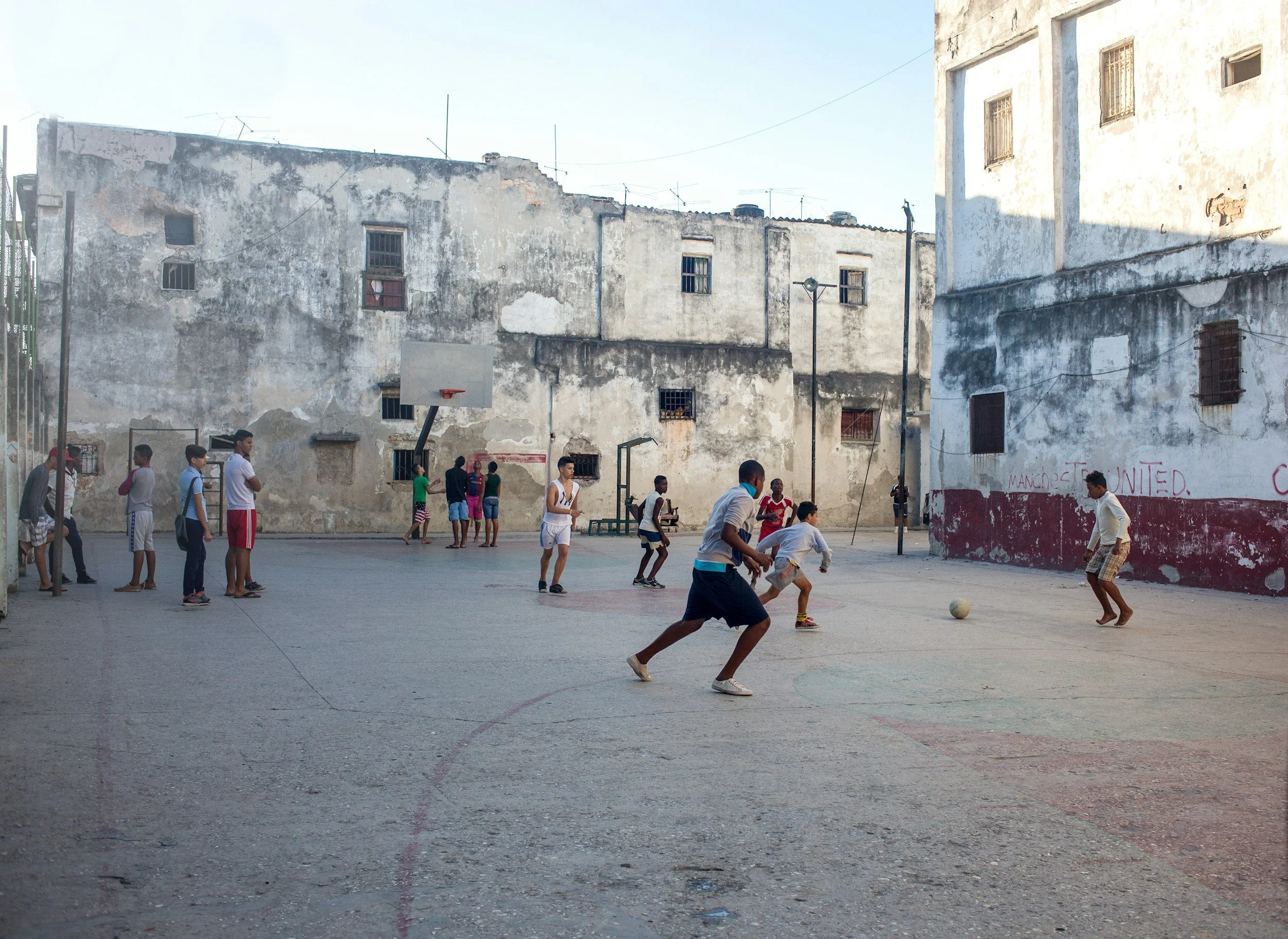
It would only be moments before they made their move.
With practiced charm, they approached, grinning, asking for money for the candy shop on the
far end of the courtyard. I obliged, and they darted off—one with a soccer ball tucked under
his arm, another clutching a fistful of Cuban pesos like a prize.
I held my phone up to the sky. The internet connected, then disconnected.
“I just need five minutes,” I muttered, my voice unsteady with desperation.
At last, the signal held. The picture was clear. The conversation was light. The anxiety lifted.
I exhaled.
Now, I could begin.
Havana’s Wi-Fi parks have become modern-day town squares, where local families reconnect,
teenagers swap memes, and tourists get their first taste of what it means to be disconnected. A
reminder that in some places, even lifelines flicker in and out, pixelated and fragile.